How I Finally Made Exercise Work for Me — A Real Talk Guide to Women’s Health
For years, I thought exercise was just about looking a certain way — until I realized it’s actually about feeling strong, energized, and in control of my health. As women, our bodies go through so much, from hormonal shifts to daily stress, and movement can be a powerful ally. This isn’t about extreme workouts or quick fixes. It’s about finding what truly works, fits your life, and supports your well-being — step by step, honestly and sustainably.
The Truth About Women and Exercise: Why It’s Not One-Size-Fits-All
Women’s relationship with exercise has long been shaped by narrow ideals — the idea that fitness means being smaller, tighter, or more defined. But this mindset overlooks the biological and emotional complexity of the female body. Unlike men, women experience monthly hormonal fluctuations that influence energy, strength, mood, and recovery. These changes, combined with life stages such as perimenopause or postpartum recovery, mean that a static workout plan rarely leads to lasting results.
Estrogen and progesterone, for example, play key roles in how the body responds to physical activity. During the follicular phase of the menstrual cycle, when estrogen rises, women often feel more energetic and may benefit from higher-intensity workouts like strength training or interval sessions. In contrast, the luteal phase — after ovulation — can bring fatigue, bloating, or irritability, making lower-impact activities such as walking, yoga, or light cycling more suitable. Ignoring these natural rhythms can lead to burnout, injury, or discouragement.
Moreover, chronic stress — common among women balancing careers, family, and household responsibilities — elevates cortisol, a hormone that can interfere with muscle recovery and fat metabolism. When stress is high, aggressive exercise can actually do more harm than good. Instead, movement that supports nervous system regulation, such as mindful walking or restorative stretching, becomes more valuable than pushing through exhaustion.
The reality is that women’s fitness needs are not static. What works at age 25 may not serve a woman at 45. A mother of young children may need different strategies than a woman caring for aging parents. Recognizing these differences is the first step toward a more compassionate and effective approach. Personalization isn’t a luxury — it’s a necessity. When women stop trying to fit into rigid fitness molds and start honoring their unique physiology and lifestyle, exercise transforms from a chore into a source of strength and stability.
Common Barriers Women Face — And How to Move Past Them
Despite knowing the benefits of physical activity, many women struggle to maintain a consistent routine. The most common obstacle isn’t lack of motivation — it’s lack of time. Between work, caregiving, and household duties, finding space for oneself often feels impossible. Add to that the mental load of planning, preparing, and executing a workout, and it’s no wonder so many women give up before they even begin.
Another major barrier is low energy. Fatigue is one of the top complaints among women, especially those in midlife or managing hormonal shifts. The idea of spending 45 minutes on a treadmill when you’re already exhausted can feel laughable — even demoralizing. This leads to a cycle of guilt and avoidance: you don’t exercise because you’re tired, then feel worse about not exercising, which drains your energy further.
Body image struggles also play a significant role. Many women associate exercise with judgment — of their appearance, their pace, their effort. Gyms can feel intimidating, and social media often portrays fitness as a performance rather than a personal practice. This external pressure makes it harder to tune into internal cues and enjoy movement for its own sake.
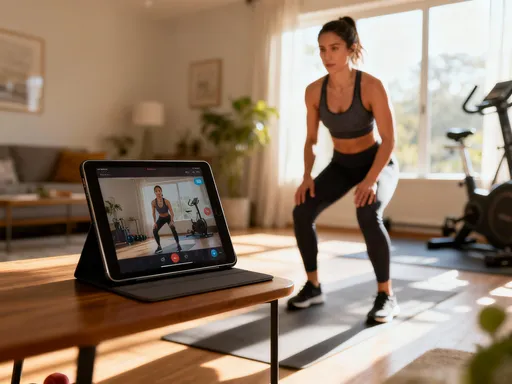
The good news is that these barriers can be overcome with small, strategic changes. One effective approach is the concept of micro-workouts — short bursts of activity lasting 5 to 10 minutes. Research shows that multiple brief sessions throughout the day can deliver similar health benefits to a single longer workout. A few minutes of stretching in the morning, a brisk walk during a lunch break, or a set of bodyweight squats while waiting for dinner to cook all count. These moments add up and reduce the pressure of needing a perfect window of time.
Mindset shifts are equally important. Instead of framing exercise as something you “should” do, reframe it as self-care — a way to recharge, not deplete. Ask yourself: How do I want to feel after this activity? Calmer? Stronger? More awake? Focusing on how movement improves your daily experience, rather than how it changes your body, can make it more appealing and sustainable. Over time, consistency builds confidence, and confidence fuels motivation.
Finding Your Why: Connecting Movement to Your Health Goals
Motivation that lasts doesn’t come from wanting to fit into a smaller dress — it comes from deeper, more meaningful reasons. When women connect exercise to personal values like health, energy, or independence, they’re more likely to stick with it long-term. This internal motivation is more resilient than external pressures, which often fade when results don’t appear quickly.
Take a moment to reflect: What do you truly want from your health? Is it the ability to play with your grandchildren without getting winded? To sleep through the night? To feel capable and confident as you age? These are powerful drivers that go beyond appearance. When movement is tied to real-life outcomes — like climbing stairs easily, reducing joint pain, or managing anxiety — it becomes a tool for living fully, not just looking a certain way.
One helpful exercise is to write down three personal reasons for wanting to be more active. Keep them visible — on your mirror, in your planner, or as a phone reminder. Revisiting these reasons regularly reinforces commitment, especially on days when energy is low or distractions are high. For example, if your goal is to reduce stress, you might choose a walk in nature over a high-intensity class, knowing that gentle movement supports mental calm.
Another strategy is to track non-scale victories — improvements that aren’t reflected on a tape measure or scale. These might include better posture, improved balance, increased stamina, or simply feeling more alert in the afternoon. Celebrating these wins builds positive reinforcement and reminds you that progress isn’t always visible. Over time, these small shifts accumulate into significant changes in how you feel and function.
When your “why” is clear and emotionally resonant, exercise stops being an obligation and starts feeling like a gift. It becomes less about what you’re losing and more about what you’re gaining — energy, resilience, presence. That shift in perspective is what turns short-term efforts into lifelong habits.
The 3 Types of Movement Every Woman Should Include
A well-rounded fitness routine includes three foundational types of movement: strength training, cardiovascular activity, and flexibility/mobility work. Each plays a unique role in supporting long-term health, and together, they create a balanced approach that serves women at every stage of life.
Strength training is often overlooked, especially by women who fear “bulking up.” But the truth is, building muscle is essential for metabolic health, bone density, and functional independence. After age 30, women lose about 3–5% of muscle mass per decade, accelerating after menopause. This loss contributes to slower metabolism, increased frailty, and higher risk of falls. Resistance exercises — whether using body weight, bands, or weights — help preserve and rebuild muscle, improving strength and confidence in daily tasks like lifting groceries or climbing stairs.
Cardiovascular exercise supports heart health, circulation, and endurance. The American Heart Association recommends at least 150 minutes of moderate-intensity aerobic activity per week for adults. This doesn’t require running or intense classes — brisk walking, cycling, swimming, or dancing all count. Regular cardio improves circulation, supports healthy blood pressure, and enhances mood by increasing endorphins. For women managing stress or sleep issues, even 20 minutes of daily movement can make a noticeable difference in energy and emotional balance.
Flexibility and mobility work are equally important, especially as we age. Stiff joints and tight muscles can limit movement and increase discomfort. Stretching, yoga, or tai chi improve range of motion, reduce tension, and support joint health. These practices also promote mindfulness and relaxation, making them valuable tools for stress management. Incorporating just 10 minutes of stretching daily can improve posture, ease back pain, and enhance overall comfort in the body.
The key is balance and consistency. You don’t need to do all three types every day. A simple weekly plan might include two strength sessions, three cardio walks, and daily stretching. The goal isn’t perfection — it’s progress. By including all three movement types over time, women build a foundation for lifelong strength, vitality, and independence.
How to Build a Routine That Actually Fits Your Life
The most effective fitness routine is the one you can actually follow. Too often, women set ambitious goals — an hour at the gym five days a week — only to abandon them when reality doesn’t match the plan. The secret to long-term success isn’t intensity or duration — it’s sustainability. And sustainability starts with designing a routine that aligns with your real life, not an idealized version of it.
Begin by assessing your current schedule and energy patterns. When do you typically feel most alert? Are mornings quieter, or do you function better in the evening? Some women thrive on early workouts before the household wakes up; others find post-dinner walks more manageable. There’s no “right” time — only what works for you. Treat movement like any other important appointment by scheduling it into your calendar.
Start small. If you’re new to exercise, aim for just 10 to 15 minutes a day. A short walk, a few stretches, or a brief strength circuit can be enough to build momentum. The goal is to create consistency, not impress yourself. Once the habit is established, you can gradually increase duration or intensity — but only if it feels good.
Habit stacking is another powerful strategy. Pair movement with an existing routine to make it easier to remember and do. For example, do calf raises while brushing your teeth, stretch while watching the morning news, or take a five-minute walk after each meal. These micro-habits integrate seamlessly into daily life and reduce the mental effort required to “start” a workout.
Sample weekly templates can provide guidance without rigidity. One approach might include: Monday — 20-minute walk and bodyweight squats; Wednesday — 15-minute yoga flow; Friday — 10-minute strength band workout; weekend — family hike or dance session. The details don’t matter as much as the consistency. Flexibility is key — if you miss a day, simply resume the next. Perfection isn’t the goal; showing up is.
Listening to Your Body: The Missing Piece in Women’s Fitness
Women are often praised for pushing through — working when sick, parenting while exhausted, exercising despite pain. But true health isn’t about endurance at all costs. It’s about awareness, respect, and responsiveness. Learning to listen to your body is one of the most important skills in sustainable fitness.
Your body sends constant signals — fatigue, soreness, mood changes, energy dips. These aren’t signs of weakness; they’re valuable feedback. Ignoring them can lead to injury, burnout, or hormonal imbalance. For example, persistent fatigue may indicate overtraining, poor sleep, or nutrient deficiency. Joint pain might mean you need to modify movements or increase rest. Mood swings can reflect stress or hormonal shifts that require gentler activity.
Rest is not laziness — it’s a critical part of the fitness process. Muscles grow during recovery, not during the workout. Sleep, hydration, and downtime are just as important as movement. Women who prioritize rest often find they have more energy, better focus, and improved results over time.
Tuning in also means adjusting your routine based on your cycle. During high-energy phases, you might feel strong and ready for challenge. During low-energy phases, a walk or stretch may be more appropriate. This isn’t failure — it’s wisdom. When you stop fighting your biology and start working with it, exercise becomes more effective and enjoyable.
Building this kind of body awareness takes practice. Start by checking in before and after movement. How do you feel? Energized? Drained? Calmer? Agitated? Over time, you’ll learn what your body truly needs. This self-knowledge fosters a deeper, more respectful relationship with yourself — one rooted in care, not criticism.
Staying Motivated Without Burning Out
Motivation naturally ebbs and flows. Relying on willpower alone is a recipe for burnout. Lasting change comes from systems, support, and self-compassion. When women build structures that make movement easy and enjoyable, they’re more likely to stick with it — even when motivation dips.
Tracking progress in meaningful ways helps maintain momentum. Instead of focusing on weight or measurements, track how you feel. Keep a simple journal noting energy levels, mood, sleep quality, or daily accomplishments. Seeing improvements over time — like walking farther without stopping or feeling less anxious — reinforces the value of your efforts.
Celebrating non-scale victories is equally important. Did you take a walk on a rainy day? That’s resilience. Did you rest when you were tired instead of pushing through? That’s wisdom. These choices reflect strength, not failure. Acknowledging them builds confidence and reduces the guilt that often derails progress.
Finding joy in movement transforms it from a duty into a pleasure. Choose activities you genuinely enjoy — dancing, gardening, swimming, or walking with a friend. Listen to music, podcasts, or audiobooks while moving. Take walks in nature to combine physical activity with mental refreshment. When movement feels good, you’re more likely to keep doing it.
Finally, practice self-compassion. There will be days when you miss a workout, feel sluggish, or lose motivation. That’s normal. Instead of criticizing yourself, respond with kindness. Ask: What do I need right now? Rest? A gentle stretch? A change of pace? Treating yourself with the same care you’d offer a friend creates a sustainable, positive relationship with fitness.
Fitness isn’t about punishment or perfection. It’s a lifelong act of self-care — a way to honor your body, support your health, and show up fully in your life. When approached with patience, respect, and intention, movement becomes not just something you do, but a natural, empowering part of who you are.