Cut my workout confusion by 80%: How online fitness courses finally made exercise click for me
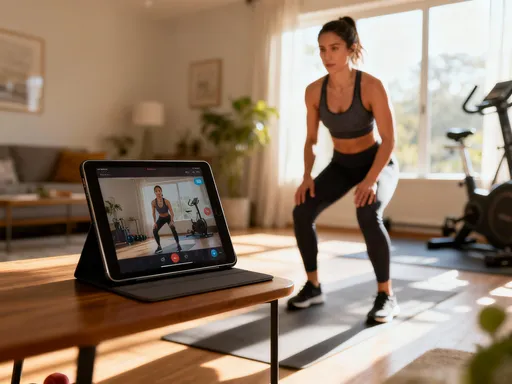
Remember that feeling? You’re standing in your living room, phone in hand, scrolling through endless workout videos, unsure where to start—or why you keep quitting. I’ve been there. Too many choices, zero clarity. But everything changed when I found the right online fitness course—one that didn’t just show moves, but actually communicated with me. It guided, adjusted, and stayed with me. No robotic voice, no confusing cues, just someone who seemed to know when I was struggling and when I was ready to push. Here’s how smarter communication in digital fitness finally made exercise feel personal, simple, and sustainable. And how it can do the same for you.
The Overwhelm of Choice: Why More Fitness Options Leave Us Paralyzed
Let’s be honest—how many times have you opened your fitness app with good intentions, only to stare at a long list of workouts and end up doing nothing? I used to do that almost every week. One day I’d pick a high-intensity class, the next a yoga flow, then a strength routine I didn’t understand. I wasn’t lazy. I just didn’t know what I needed or how to choose. The truth is, too much choice isn’t freedom—it’s fatigue. And in the world of online fitness, we’re drowning in it. Every platform promises results, every instructor has a catchy name for their program, and every day brings a new challenge. But where’s the guidance?
What I realized after months of hopping from one video to another was that the real problem wasn’t my willpower—it was the lack of connection. Most fitness content is designed like a firehose: turn it on, and information blasts at you with no pause, no check-in, no sense of whether you’re following along. You’re expected to keep up, even if you’re out of breath, unsure of your form, or just plain confused. And when that happens, the natural response isn’t to push through—it’s to shut it off and walk away.
That emotional whiplash—excitement followed by frustration—takes a real toll. I started to feel like I wasn’t trying hard enough, like I was the only one who couldn’t stick with it. But I wasn’t alone. Studies show that one of the biggest reasons people abandon home workouts is the feeling of isolation and confusion. Without someone to answer your unspoken questions—“Am I doing this right?” “Should this feel hard?” “Is this even good for me?”—it’s easy to lose confidence. And once that cracks, motivation crumbles fast.
What I needed wasn’t another 30-day challenge. I needed clarity. I needed someone—or something—that could meet me where I was, not where I “should” be. And that’s when I began to look not just at the workouts, but at how they were taught.
From Noise to Clarity: What Makes a Fitness Course Actually Understandable
Have you ever followed a recipe where the instructions were vague—“cook until done”—and you’re left staring at the pan, unsure what “done” even means? That’s how a lot of online workouts feel. The instructor says, “Engage your core,” but never explains how. Or they demonstrate a move quickly from one angle and move on, leaving you guessing about your alignment. It’s not that the information isn’t there—it’s that it’s not being communicated in a way that lands.
What changed for me was finding a course where the instructor didn’t just tell me what to do—she walked me through it. She broke down each movement step by step. She showed the exercise from the front, the side, and even a top-down view when needed. She used simple, clear language: “Bend your knees like you’re sitting back into a chair,” not “Hinge at the hips with a neutral spine.” And she paused—actually paused—so I could reset, breathe, and get ready for the next round.
That small shift—from performance to teaching—made all the difference. It turned exercise from something I endured into something I could learn. And that’s the heart of effective communication in fitness: it’s not about how many moves you can cram into 20 minutes. It’s about whether the person on the screen seems to care if you understand them. When cues are clear, pacing is thoughtful, and visuals support the instruction, your brain isn’t racing to catch up. It can focus on your body, your breath, your progress.
One of the most powerful moments for me was during a beginner strength session where the instructor said, “If your shoulders are lifting toward your ears, that’s tension. Let them drop. You’re not holding a bag of groceries—just move with control.” That tiny reminder didn’t just correct my form. It made me feel seen. It told me the instructor wasn’t just going through the motions—she was watching out for me. And that kind of attention, even through a screen, builds trust.
The Hidden Power of Personalized Feedback Loops
Here’s something I never thought I’d say: I started to feel like my fitness course knew me. Not in a creepy way—but in the way a good teacher remembers how you learn best. The platform I eventually chose didn’t just offer workouts. It asked me a few simple questions at the start: my goals, any past injuries, how much time I had each week. Then, it began to adapt.
After my first few sessions, I got a message: “Great start! Based on your pace, we’ll suggest a few modifications to help build endurance.” It wasn’t a robot spitting out generic advice. It felt like someone was noticing. Later, when I logged a day I felt tired, the next workout was slightly shorter, with more rest. When I completed a week consistently, I got a little note: “You’re building momentum—keep going!” Nothing dramatic. Just timely, thoughtful nudges that made me feel supported.
This is what we mean by a feedback loop. It’s not just about tracking reps or calories. It’s about communication that responds to you. Some platforms now use simple AI tools to personalize cues—like reminding you to protect your knees if you’ve mentioned joint sensitivity, or offering a harder variation when you’ve completed several sessions smoothly. It’s not a replacement for a live trainer, but it’s closer than most of us expected from an app.
What surprised me most was how much these small messages kept me coming back. They didn’t motivate me with guilt or pressure. They celebrated effort. They acknowledged fatigue. They made me feel like I wasn’t just another user—like I was part of a process. And over time, that sense of being “seen” reduced my urge to quit. Because when a program adjusts to you, you’re more likely to stick with it.
Building a Routine That Sticks: How Communication Shapes Habit Formation
Let’s talk about what really matters: consistency. We all know that one amazing workout won’t change your life. It’s the daily choices—the small, repeated actions—that add up. But how do you turn exercise from something you “should” do into something you actually do?
For me, it came down to the messages between the workouts. Not during, not after the sweat—it was the quiet moments in between that made the biggest difference. The gentle email that said, “Your 10-minute stretch class is ready when you are,” felt kind, not pushy. The app notification that read, “You’ve moved every day this week—nice work!” landed like a high-five from a friend. These weren’t salesy or flashy. They were warm, human, and perfectly timed.
Behavioral science shows that habit formation thrives on positive reinforcement. We’re more likely to repeat actions that feel good or are acknowledged. And yet, so many fitness apps miss this. They focus on streaks, badges, or points—gamification that can feel hollow. But real encouragement? That’s different. It’s the difference between “You’ve earned 50 points” and “You showed up for yourself today—that matters.” One feels transactional. The other feels personal.
The course I stuck with didn’t just track my workouts. It checked in. It asked how I was feeling. It offered a five-minute “reset” session if I’d had a stressful day. It didn’t assume I wanted to push harder every time. Sometimes, it suggested rest. And that balance—between challenge and care—made me trust the program enough to keep going, even on days when I didn’t feel like it.
When Tech Feels Human: The Design Behind Relatable Fitness Instructors
Let’s be real: not all online instructors feel the same. Some seem like distant performers—energetic, maybe, but unrelatable. Others feel like they’re right there with you, breathing at your pace, smiling when you finish a tough set. I used to think that was just personality. But I’ve learned it’s also design.
The best online fitness courses invest in how the instructor connects, not just what they teach. It’s in the tone of voice—calm, encouraging, not overly loud. It’s in the way they say, “Take your time,” instead of “Hurry up!” It’s in the pauses, the eye contact, the way they acknowledge that this might be hard. One instructor I love says, “If you need to take a break, take it. I’ll wait.” And she actually waits—silence, no music, just space. That small choice makes me feel respected, not rushed.
It’s also in the production. Some videos are shot in bright, sterile studios that feel intimidating. Others are filmed in real homes, with natural light, maybe a pet wandering in. That imperfection makes them feel authentic. I don’t need perfection—I need someone who understands real life. When an instructor wipes sweat off her brow and says, “This part is tough for me too,” I believe her. And that belief keeps me moving.
Even the scripting matters. The best courses avoid jargon and hype. No “crush your core” or “no pain, no gain.” Instead, they say things like, “This is about strength, not speed,” or “Listen to your body—it knows what it needs.” That language doesn’t just guide movement. It builds a mindset. It teaches you to be kind to yourself while still challenging your limits.
Fixing the Glitch: Simple Upgrades That Boost Communication Overnight
You don’t need fancy AI or a personal trainer on speed dial to improve your fitness experience. Sometimes, the smallest changes make the biggest difference. When I started paying attention, I realized that the courses I stuck with had a few simple things in common—and they’re things any platform or user can adopt.
First: subtitles. I never thought about this until I tried a class without them. When the music is loud or the instructor has a thick accent, it’s easy to miss cues. Subtitles aren’t just for accessibility—they’re for clarity. They help you catch instructions you might otherwise miss, especially in high-energy moments.
Second: shorter previews. Instead of throwing me into a 45-minute class blind, the best platforms offer 2-3 minute overviews. “Here’s what we’ll do, why it matters, and what modifications are available.” That small window of context sets me up for success. I know what to expect. I feel prepared.
Third: consistent language. One course kept switching terms—“plank,” “hover,” “forearm support”—for the same move. I was constantly confused. The ones that use the same name every time, paired with a quick visual reminder, make learning smoother. Repetition builds confidence.
And for creators? The message is clear: design with empathy. Assume your user might be tired, distracted, or new to exercise. Make your cues clear, your pacing forgiving, and your tone kind. You don’t have to be loud to be effective. Sometimes, the quietest voice is the one we listen to the most.
Fitness That Fits Your Life: The Bigger Win Beyond the Workout
After months of using a course that actually communicates with me, I can say this: I’m not just stronger. I’m calmer. More confident. Less stressed. The workouts themselves are important, yes—but the real transformation happened in how I see myself. Exercise no longer feels like a punishment or a chore. It feels like a conversation. A daily check-in with my body, my energy, my needs.
And that shift? It’s spilled over into everything. I make better food choices, not because I’m counting calories, but because I feel more in tune with my body. I sleep better, because I’ve learned to move in ways that release tension, not build it. I have more patience with my family, because I’ve made space to care for myself.
That’s the hidden benefit of well-designed fitness communication: it doesn’t just teach you how to move. It teaches you how to listen. To your body. To your limits. To your strength. When technology stops shouting and starts speaking with care, it stops feeling like a tool—and starts feeling like support.
So if you’ve ever felt lost in the sea of online workouts, if you’ve ever quit because it just didn’t click—know this: it wasn’t you. It was the way it was taught. And the good news? Better options exist. Look for clarity. Look for kindness. Look for programs that don’t just tell you what to do, but walk beside you as you do it. Because fitness isn’t about perfection. It’s about progress. And progress happens when we feel understood.